Every roof in Johnson County tells a story. Some roofs have seen three decades of summer humidity and snow-packed winters without complaint, others groan under attic heat and ice dams, and a few start dropping shingle grit after a string of 60-mile-per-hour gusts. When the conversation turns to energy efficiency, the roof becomes more than a cap on the house. It is a thermal shield, a moisture manager, and in many homes the boundary between a comfortable room and a sweltering one. Choosing an energy-smart path for a new roof installation pays back in utility bills, comfort, and sometimes resale value, but the right choice depends on the microclimate of your property, the roof structure, and the way your home breathes.
This guide distills what seasoned roofers in Johnson County weigh on site, from material performance to ventilation design, rebates, and the cost picture over 20 to 30 years. The goal is to help you make the best call for a roof replacement that keeps your home cooler in August, drier in February, and quieter during spring storms.
What energy efficiency means on a roof
Energy efficiency on a roof has less to do with magic materials and more to do with heat flow, airflow, and moisture control. The roof becomes a system. When it works, attic temperatures stay closer to outdoor air, insulation remains dry and fluffy, and the air conditioner doesn’t fight a losing battle against radiant load.
In practice, this means three components working together. First, reflective or emissive surfaces limit how much heat the roof absorbs. Second, continuous ventilation moves hot air out and brings cooler air in through soffits and out through a high point. Third, insulation resists conductive heat transfer into living space. If any leg of this three-part stool is weak, energy costs rise and comfort falls. That is why a new roof installation is the best moment to fix all three, not just the shingles.
Johnson County’s climate and what it does to roofs
Johnson County sits in a mixed climate. Summers push into the 90s with strong sun and long humid stretches. Winters add freeze-thaw cycles and low-angle sun. Storms can arrive with high winds and hail, which matters because hail resistance often influences material choice. Energy-wise, the big loads come in late June through September when attic temperatures can spike 30 to 50 degrees above outdoor air on a dark, unvented roof. That heat radiates down into ductwork and living areas, driving up cooling demand.

The typical roof structure in the area is a ventilated attic with gable or hip geometry. The region also has a deep inventory of older homes with insufficient soffit intake and patchy attic insulation, plus plenty of newer builds with adequate insulation but surprisingly poor attic airflow. When I audit roofs in the county, two patterns show up. First, warm-season attic temperatures are too high because of low intake area or blocked soffits under old perforated vinyl. Second, bath fans and dryer vents were sometimes run into the attic in past renovations, which loads the insulation with moisture and mutes its R-value. Correcting those problems during a roof replacement has a bigger effect on energy performance than any single shingle upgrade.
Material choices that move the needle
You can buy an energy story at any price point, but not all stories deliver equal results. The three most common roofing families around here are asphalt shingles, metal panels or shingles, and concrete or clay tiles. Each can be tuned for energy savings when paired with ventilation and insulation. Let’s look at real-world behavior rather than lab numbers alone.
Cool-color asphalt shingles
Modern asphalt shingles come with reflective granules in lighter colors that push solar reflectance into the 0.25 to 0.30 range, sometimes higher in specialty lines. In plain terms, that can trim peak attic temperatures by 10 to 15 degrees when ventilation is right. If you are staying with asphalt for cost or aesthetic reasons, pick a cool-rated series verified by the Cool Roof Rating Council, especially in lighter grays or weathered wood tones that fit neighborhood patterns without upsetting HOA rules. Pay attention to warranty language with impact resistance. We see hailstones in this region, and choosing a Class 3 or Class 4 impact-rated shingle can prevent premature replacement without hurting reflectivity much.
Standing seam and metal shingles
Metal reflects more heat than dark asphalt, and the paint system matters as much as the base metal. High-quality Kynar or similar PVDF coatings in a cool color formulation can reach reflectance in the 0.30 to 0.55 range. The benefit grows when the installer includes a vented air gap beneath the metal using battens or a vented underlayment. That air space breaks the heat bridge and lets hot air wash out under the panels. In the field, a well-detailed standing seam roof paired with good intake and ridge ventilation often keeps attic temperatures closer to outdoor levels than any shingle system. That means smaller late-afternoon cooling spikes and less duct loss if the ducts are in the attic.
The lure of metal is longevity. Properly installed panels can run 40 to 60 years with basic maintenance. Upfront cost is higher, and that pushes some homeowners back to asphalt, but when you calculate the second asphalt roof you will likely buy in that window, metal starts to pencil out. Noise is a common worry. With a solid deck, quality underlayment, and a bit of insulation, rain sound is a non-issue.
Concrete and clay tile
Tile carries mass, which helps slow down heat transfer. Combined with an air channel under the tile, you get a thermal lag that keeps attic heat down during peak sun. Tiles can be finished in cool coatings and, in light colors, shed a lot of radiant load. Installation requires a structure that can bear the weight. If your home was not engineered for tile, you will need a structural evaluation and sometimes reinforcement. Tile pairs well with solar, provided the rack system is compatible and flashings are robust.
Synthetic shakes and slates
High-end synthetics mimic wood or stone and often incorporate reflective pigments. Their performance sits between asphalt and metal, with the benefit of low weight and strong impact resistance. The energy story relies on color and installation over a vented underlayment. They are worth a look if you want a specific aesthetic without the maintenance of real wood.
Wood shakes
Wood breathes, and it can run cooler than old dark asphalt in dry climates. In Johnson County, the humidity, fire considerations, and maintenance burden make wood a niche choice. If you love the look, use fire-retardant treatments and pair with robust ventilation. Energy performance is not bad, but long-term care costs are real.
Ventilation design that actually works
Most energy complaints that arrive at the doorstep of roofers in Johnson County come down to ventilation. The building code gives minimums, but minimums are not always optimal. The old NFA rule of thumb says 1 square foot of net free area for each 150 square feet of attic floor, or 1 to 300 if there is a balanced system with vapor barrier and good distribution. In practice, I aim for balance and even bias intake higher than exhaust. A roof with strong ridge venting but weak soffit intake pulls air from wherever it can, which sometimes means conditioned space.
Blocked soffits are rampant. The perforations on vinyl soffit panels can be misleading if the original plywood soffits are still solid under them. I have pulled panels to find insulation jammed tight against the roof deck. Clearing the channel with baffles and opening the soffit slots makes a night-and-day difference. Ridge vents should run the full ridge where possible, not short stubs, and the sheathing slot should be cut to manufacturer specs. Avoid mixing box vents and ridge vents on the same ridge because the system short-circuits.
For hip roofs with minimal ridge length, consider smart options like vented hips or a combination of low-profile roof vents, spaced and balanced with intake. On cathedral ceilings, ventilation requires dedicated baffles in each rafter bay or an unvented assembly with spray foam under the deck. Do not guess here. A site visit and a look at the framing shape what is feasible.
Insulation and the attic plane
A roof replacement is the best time to fix the attic. Typical attics in the county need R-38 to R-49 to perform well. That usually means topping up with blown-in cellulose or fiberglass to a depth that reaches those R values. Before adding, air seal the attic floor, especially around can lights, top plates, plumbing stacks, and chases. Air sealing yields the most bang for the buck because warm, moist air sneaking into the attic undermines both energy and roof durability.
Vent baffles at the eaves protect the insulation from wind washing and preserve the intake path. If you have HVAC ducts in the attic, a radiant barrier stapled to the rafters or applied as a foil-faced product can lower duct gains in summer. I do not sell radiant barriers as a cure-all, but in homes with attic ducts and high cooling loads they sometimes pay back in two to four summers.
Solar-friendly roofs
If you are planning solar, coordinate early. Some shingle brands now have solar-ready accessory flashings, and metal roofs can accept rail systems or even clip-on modules without hundreds of penetrations. An energy-smart roof for solar has a few traits. The covering should last as long as the array, which is one reason metal pairs well with PV. The roof geometry should leave clean, unshaded rectangles. Wire paths and junction boxes should be mapped before shingle layout so penetrations land in the right places. If you want the option later, tell your roofer so they can install extra blocking and note truss or rafter positions for lighter drilling down the line.
The business case: what savings look like
Homeowners ask for numbers. With all the variables in play, ranges are more honest than precise claims. Here is what I have seen on utility bills when we combine a cool-color roof, balanced ventilation, and upgraded attic insulation on a typical Johnson County home with a vented attic and ducts in that space. Summer electric savings often fall between 10 and 25 percent against prior Baseline usage, with the higher end appearing in homes that had severe attic heat and duct losses before. Winter savings tend to be smaller, roughly 5 to 10 percent, because the driving force in winter is infiltration and insulation more than roof reflectance. Comfort improves in both extremes, and HVAC runtime smooths out. That matters because equipment that runs shorter, harder cycles tends to fail sooner.
Upfront costs vary widely. A quality cool asphalt roof with ventilation and attic fixes might add a few thousand dollars over a bare-bones roof replacement. Metal often runs 2 to 3 times the price of asphalt on the same home, but that spreads over decades and usually avoids a mid-life replacement. If you plan to stay put for 10 years or more, metal starts to make economic sense in many cases, especially if paired with solar. If your horizon is five years and resale is the plan, a cool shingle plus a well-ventilated attic may be the sweet spot for energy performance and appraisal.
Codes, rebates, and product labels
Johnson County municipalities follow versions of the International Residential Code, with local amendments. The code does not mandate cool roofs, but it does set ventilation and underlayment requirements. Insurance companies in the region often offer premium discounts for impact-rated shingles, and those shingles sometimes overlap with cool-color lines, which is a nice double benefit.
Look for labels that actually matter. The Cool Roof Rating Council lists third-party tested reflectance and emissivity. Energy Star once labeled roofing, and while the program’s scope changed, many manufacturers still publish reflectance metrics in line with those tests. For underlayments, pay attention to temperature ratings and whether the product is approved for metal or tile as needed. In the valley areas and along eaves, ice and water shield is not optional in our freeze-thaw climate. Use it generously in leak-prone zones, not just the bare minimum.
Local utilities occasionally offer rebates for insulation and air sealing rather than the roof itself. Bundle the attic work during the roof replacement and capture those incentives. A quick call before you sign a contract can put hundreds of dollars back in your pocket.
What roofers in Johnson County notice on the job
When you talk with roofers Johnson County homeowners recommend, you hear recurring details. For example, the worst-performing attics often have can lights without covers. We see bath fans piped into soffits that pull moist air back into the intake path. We find ridge vents installed on hips that do nothing because the sheathing never got slotted. And we still see dark shingles chosen purely on habit, even when a lighter, cooler color would fit the neighborhood.
The better projects start with inspection photos from the attic and the eaves. When a crew shows you blocked soffits and crushed baffles, you know they will address the root problem. During tear-off, quality teams protect landscaping, check for rotten decking, swap bad boards, and correct nail patterns. Details like using high-temperature underlayment under dark metal and placing ridge vent nails in the manufacturer’s specific reinforced zone prevent callbacks and extend roof life. For roof replacement Johnson County homes need, those habits separate the dependable outfits from the dabblers.
Choosing between materials for your home
Every house has constraints. Consider the roof pitch, the structural capacity, HOA rules, and how the roof looks from the street. Metal can look stark on some traditional elevations, but a matte finish in a warm gray or bronze tends to fit. Tile delivers a beautiful profile on Mediterranean or Mission styles but can dominate a small facade. Asphalt remains versatile and quiet visually, especially in the lighter weathered tones that bounce heat without shouting.
Noise, weight, and snow behavior matter. Metal sheds snow quickly in a thaw, which can be good or startling. Snow guards are the answer over entries and walkways. Tile holds snow more and releases it in chunks. Asphalt behaves predictably and, when paired with a proper ice shield, is a safe winter performer. If you have a vaulted great room with no attic, prioritize either an unvented assembly with closed-cell spray foam for airtightness and condensation control, or a well-detailed vent channel in each rafter bay. In those rooms, the roof build is the insulation system.
Underlayments and the hidden layers
The surface gets all the attention, but the underlayment and flashings decide whether a roof stays dry and efficient. Synthetic underlayments have largely replaced felt. They resist tearing in wind and hold up under foot traffic during install. In hot weather, high-temp products prevent adhesive bleed and protect wood resin lines under metal or dark shingles.
Ice and water shield belongs at eaves, valleys, around skylights and chimneys, and along low-slope sections that catch drifted snow. For energy, these membranes matter indirectly. Dry insulation performs, wet insulation does not. Keeping meltwater out preserves your R-value and interior finishes. For ventilation, use baffles that stand off the deck enough to maintain a clear 1 to 2 inch channel, not flimsy foam that collapses.
Flashings are the first line of defense. Step flashing at walls, properly lapped and counterflashed, outlives the shingles. Continuous L-flashing tends to fail at joints. On metal roofs, factory boots for pipe penetrations with stainless clamps are worth the small premium. Skylights should be replaced when you replace the roof if they are older units. Newer skylights have better glass coatings and tighter frames, which cut unwanted heat gain and loss.

Timing and phasing the project
Roof replacement is weather sensitive. In Johnson County, spring and fall offer the best windows. Summer installs are fine but require attention to underlayment temperature ratings and crew hydration, while winter installs need dry days and careful handling of cold-brittle shingles. If you plan attic insulation upgrades, schedule them right after tear-off and deck repairs, before new vents and ridge caps go on, or immediately after the roof if access is through the house. Coordinate with the roofer so soffit openings are confirmed and clear before the insulation crew arrives.
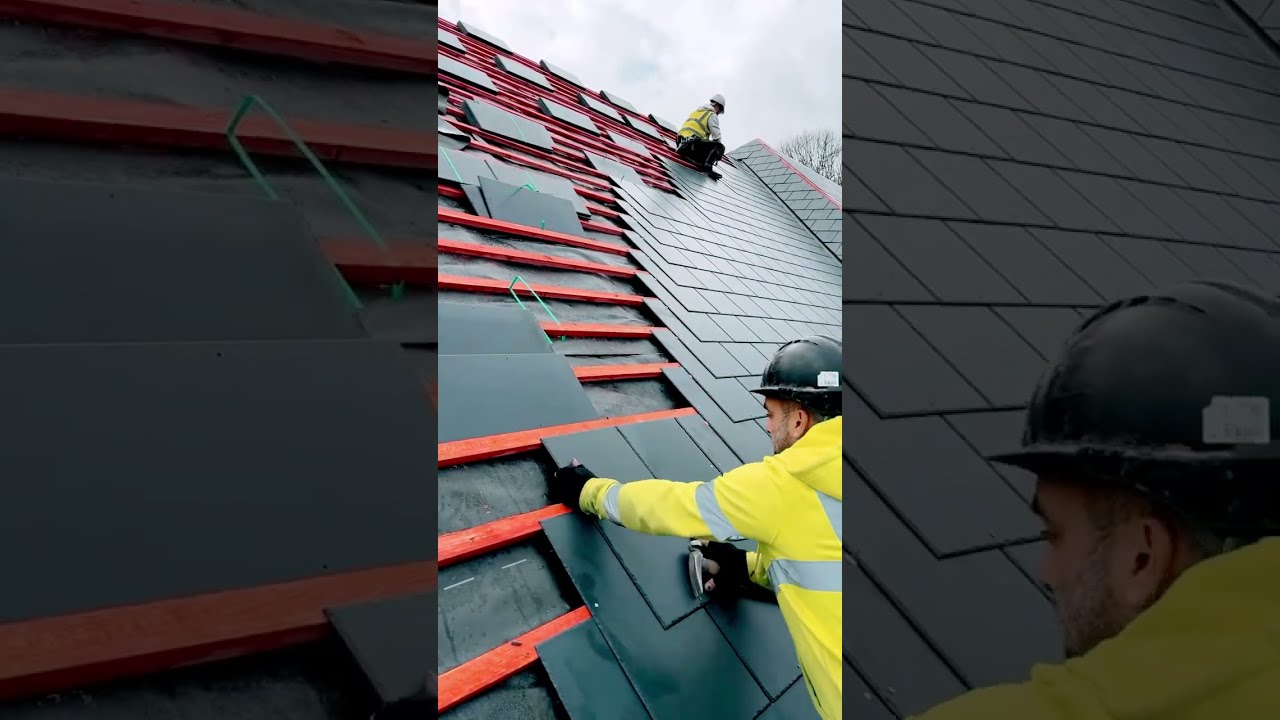
If you are adding solar, keep at least two weeks buffer after roof completion to account for inspections and any punch-list work. Avoid mounting arrays on a roof section that may need maintenance access to chimneys or flues. Planning saves holes later.
Costs, financing, and long-term math
Numbers calm nerves. A quality cool-color asphalt roof with ventilation corrections and attic insulation top-up may fall in a range that suits most single-family homes. Metal usually costs more upfront, but you can finance it similarly to solar. If you pair a metal roof with a PV system, the combined monthly utility savings and avoided second roof cost often offset financing within a decade. Every case is specific, yet the pattern appears often enough to merit consideration.
Insurance can be a swing factor. Impact-rated shingles may earn premium reductions. Hail claims have shaped local underwriting, so document your existing roof before replacement and keep material invoices and photos. For buyers and appraisers, receipts for attic air sealing and insulation carry weight because they translate into measurable efficiency, not just curb appeal.
Two quick checklists for a smarter roof decision
- Confirm ventilation: clear soffits with baffles, continuous ridge vent, balanced NFA, and no mixed vent types that short-circuit airflow. Upgrade the attic: air seal penetrations, bring insulation to at least R-38 to R-49, and correct any bath or dryer vents routed into the attic. Choose reflective options: cool-color shingles or PVDF-coated metal in lighter shades, matched to your neighborhood and HOA rules. Detail the underlayers: high-temp synthetic underlayment where needed, ice and water shield at all vulnerable zones, and robust step flashing at walls. Plan for the future: note rafter lines for possible solar, align penetrations carefully, and keep service paths clear. Vet the contractor: look for photos and measurements of intake and exhaust, not just shingle samples. Ask for product data: CRRC reflectance ratings, impact ratings, and underlayment temperature specs. Verify scope: deck repairs included as needed, soffit opening count, ridge slot width, and insulation coordination. Mind the schedule: choose stable weather windows and sequence attic work with roof phases. Track the paperwork: permits, inspection sign-offs, material warranties, and any rebate forms for insulation or air sealing.
How the pieces fit on a typical Johnson County home
Picture a 2,000 square foot ranch with a hip roof, ducts in the attic, and 15-year-old dark shingles. Attic insulation sits at a thin R-19, soffits are perforated vinyl over solid plywood, and there are four small box vents near the ridge. Summer electric bills spike, and the back bedrooms run hot by late afternoon.
A solid energy-focused roof replacement would open the soffits properly, install foam or rigid baffles in every rafter bay, cut in a continuous ridge vent with correct slot width, and retire the box vents. The crew would use a cool-color architectural shingle in a light gray, lay high-temp synthetic underlayment, and run ice and water shield at eaves, valleys, and around the chimney. Inside, the attic floor would be air sealed at top plates and fixtures, then insulated to R-49 with blown cellulose. Bath fans would be vented through the roof with proper hoods, not into the soffits.
The result would be a 10 to 20 degree drop in peak attic temperature on similar weather days, quieter HVAC cycles, and notably cooler back bedrooms. On the bill side, a 10 to 20 percent cooling energy reduction would be a conservative expectation. The shingles would look fresh without clashing with nearby homes. On resale, buyers and inspectors would note both energy improvements and clean details at flashings and vents.
If the owner planned to stay 20 years and dreamed of adding solar, a PVDF-coated standing seam in a mid-tone cool color with a batten air space would be the alternate path. Cost would rise, but the roof would be ready for clamps that hold solar without dozens of penetrations, and the time horizon would justify the investment.
When a partial fix makes sense
Sometimes budgets or structures limit options. If you cannot change the roof covering yet, focus on attic work. Correct the intake, add the ridge vent, fix duct leaks, and raise insulation. I have seen that sequence alone cut summer peaks dramatically. When it is time for the roof replacement, dial in the cool-color choice and upgrade the underlayment and flashings. Energy efficiency is cumulative, not all-or-nothing.
Working with local expertise
Local teams who specialize in roof replacement Johnson County residents trust will know neighborhood quirks, from HOA color preferences to tree cover patterns that affect cooling load. They will also have opinions about which shingle lines hold up under our hail profile and which ridge vents https://jaidenzqgr472.wpsuo.com/a-homeowner-s-guide-to-choosing-roofing-contractors-wisely resist wind-driven rain. Ask them to show you recent projects, not just brochures. Listen for trade-offs, not just superlatives. The best advice sounds like options with pros and cons, not a script.
A thoughtful new roof installation handles the basics right, then adds energy-smart choices where they pay. Keep your eye on the system, not just the surface. Pair reflectivity with airflow, protect the deck with quality underlayment and flashing, and tighten the attic floor so the conditioned air you pay for stays where it belongs. Do that, and your roof will work a quiet second job all year long, trimming costs and keeping the house calm through the swings of Johnson County weather.
My Roofing
109 Westmeadow Dr Suite A, Cleburne, TX 76033
(817) 659-5160
https://www.myroofingonline.com/
My Roofing provides roof replacement services in Cleburne, TX. Cleburne, Texas homeowners face roof replacement costs between $7,500 and $25,000 in 2025. Several factors drive your final investment.
Your home's size matters most. Material choice follows close behind. Asphalt shingles cost less than metal roofing. Your roof's pitch and complexity add to the price. Local labor costs vary across regions.
Most homeowners pay $375 to $475 per roofing square. That's 100 square feet of coverage. An average home needs about 20 squares.
Your roof protects everything underneath it. The investment makes sense when you consider what's at stake.